Shoah and the Discipline of Refusal
Claude Lanzmann's nine-hour Shoah uses no archive footage at all — only testimony and the places as they are now.
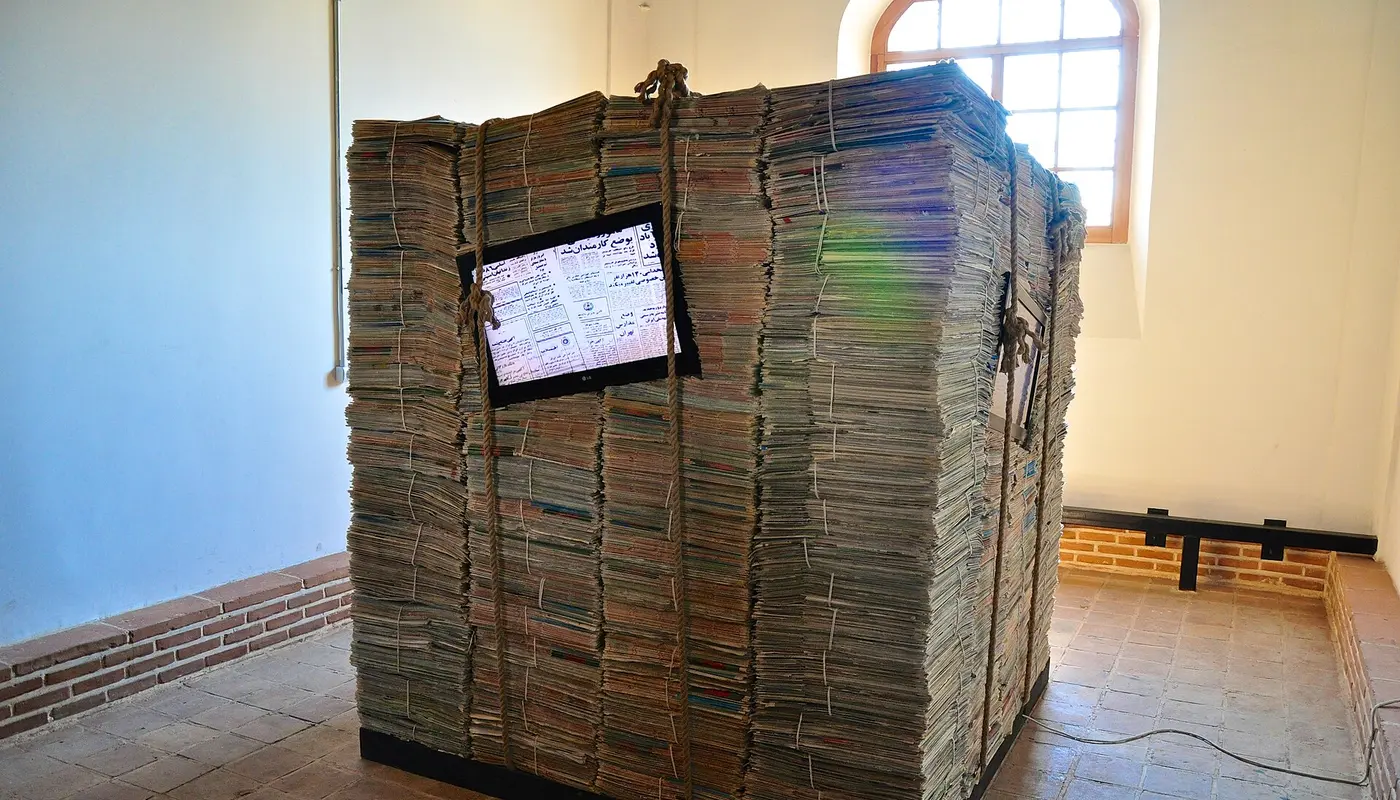
Claude Lanzmann’s Shoah runs for roughly nine hours and contains not one frame of newsreel, no photographs pulled from an archive, no narrator supplying dates. What you get instead is testimony — former SS officers, Polish villagers, the handful of Jewish survivors of the death camps who were willing to speak — and the places themselves, filmed in the mid-1970s and early 1980s exactly as they stood: fields, sidings, forests, the platforms at Treblinka grown over with grass.
Why the refusal matters
This is not a stylistic tic. Lanzmann believed that the familiar montage of archival horror had, through repetition, become a way of not looking — a set of images so worn they let the viewer feel informed without being implicated. By stripping all of that away, he forces attention onto two things only: what a person says, in their own words, under sustained and often uncomfortable questioning, and what a landscape looks like decades later when the grass has grown back over what happened there. The effect is not distance. It is the opposite. A field is just a field until someone standing in it tells you what the ground used to carry, and then it is unbearable in a way no archive shot could manage, because there is nothing between you and the fact of it.
The interviews themselves are the film’s real achievement. Lanzmann is patient to the point of cruelty, returning again and again to the same detail — the exact sound, the exact distance, the exact order of events — until the witness produces something more precise than memory usually offers. It is uncomfortable to watch him do this. It is also, clearly, how he got testimony that no gentler method would have produced.
The honest reservation
Nine hours is a real barrier, and not a false modesty about length — the film asks for your evening in instalments over days, and it does not build to relief. It also assumes, at points, a viewer who already has some grasp of the geography and machinery of the Final Solution; Lanzmann is not interested in orientating newcomers, only in going deeper with people who already know the shape of the event. And Lanzmann’s interview technique, however effective, sometimes tips from persistence into something harder to watch comfortably, particularly with survivors — the film does not spare its subjects for the sake of the record, and viewers should know that going in.
This is for anyone who wants to understand how documentary can refuse spectacle without refusing truth. It is not for an idle evening. It is, on the terms it sets for itself, one of the very few films about the Holocaust that will still be the first one worth mentioning in fifty years.
Newsletter
Three documentaries worth your time
Get The Doc Files in your inbox. No spam, and one click to leave.
Every day · Unsubscribe any time. We never sell or rent your address; read the privacy policy.